
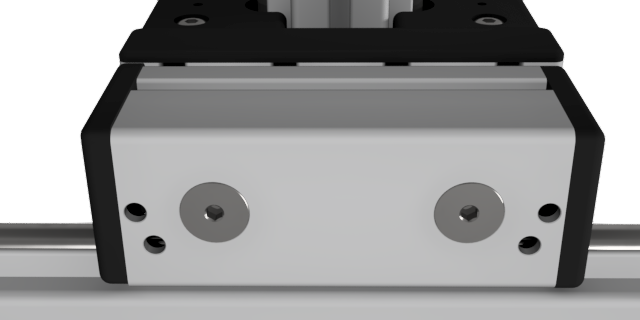
Roller guideways: Precise linear guide systems for demanding applications
Roller guides are indispensable components in linear technology and offer numerous advantages for industrial applications. These robust guide systems are characterized by their high load capacity, precise motion control and long service life.
Roller guides are used in various branches of industry, including:
- Packaging machines
- Automation systems
- Machine safety doors
- Special and rail vehicles
- Medical technology


Linear slides are built up with bearing units. They are used in pairs, 1 piece eccentrically (this is set backlash-free) and opposite 1 piece centrically. To minimise wear, a wiper lubrication system must always be installed on each bearing unit.

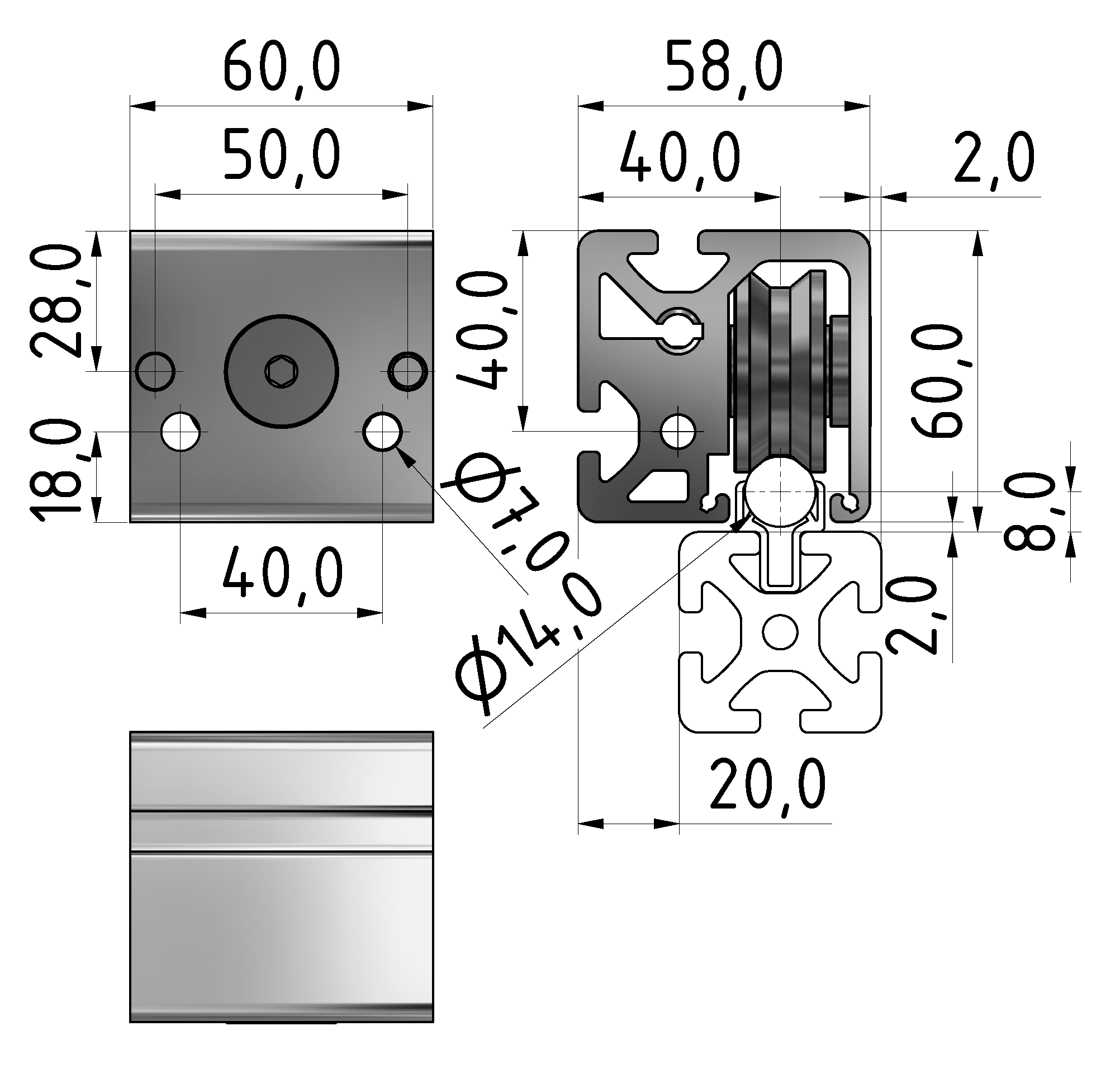
Linear slides are built up with bearing units. They are used in pairs, 1 piece eccentrically (this is set backlash-free) and opposite 1 piece centrically. To minimise wear, a wiper lubrication system must always be installed on each bearing unit.

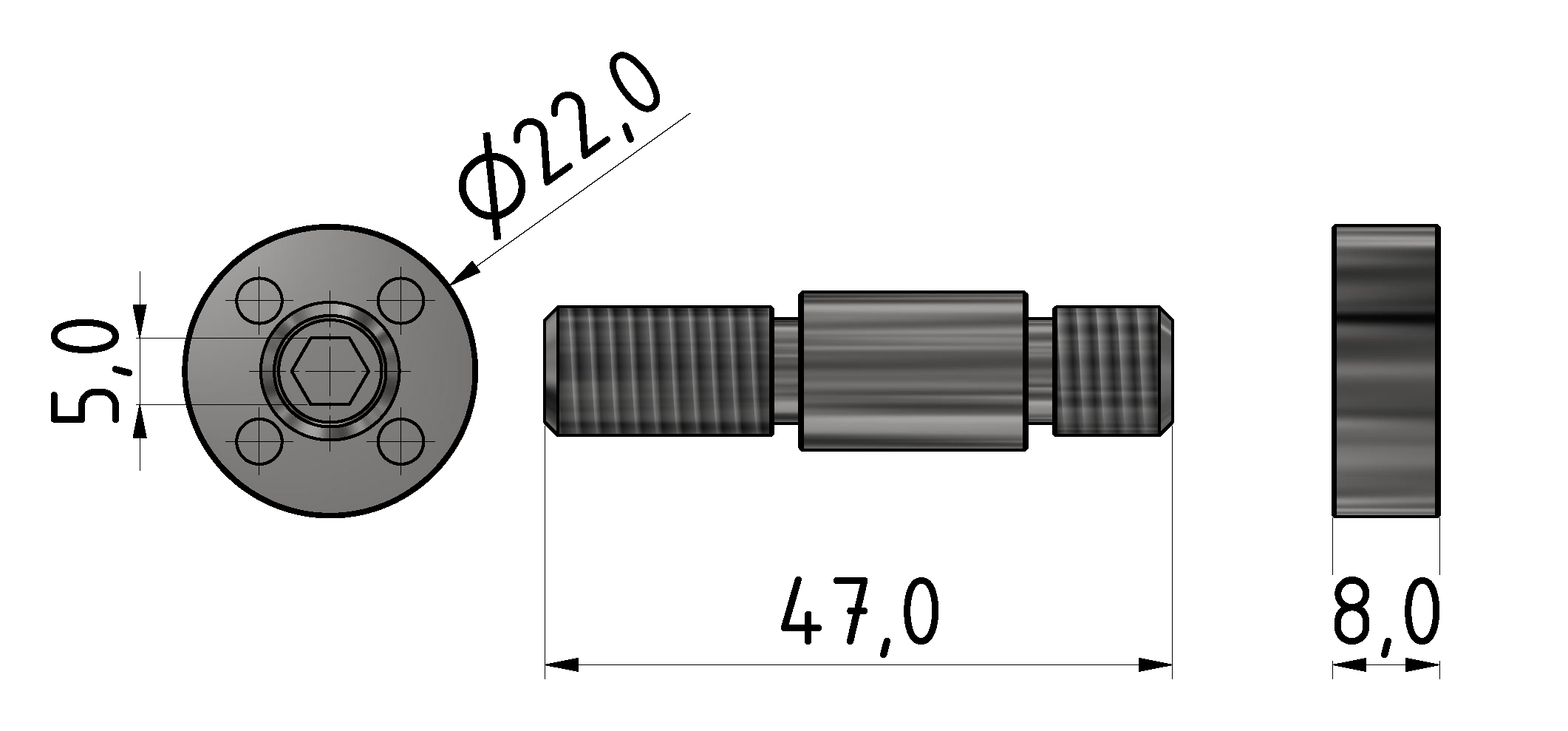
Bolt for fixing and adjusting the track roller D14 on the eccentric side.
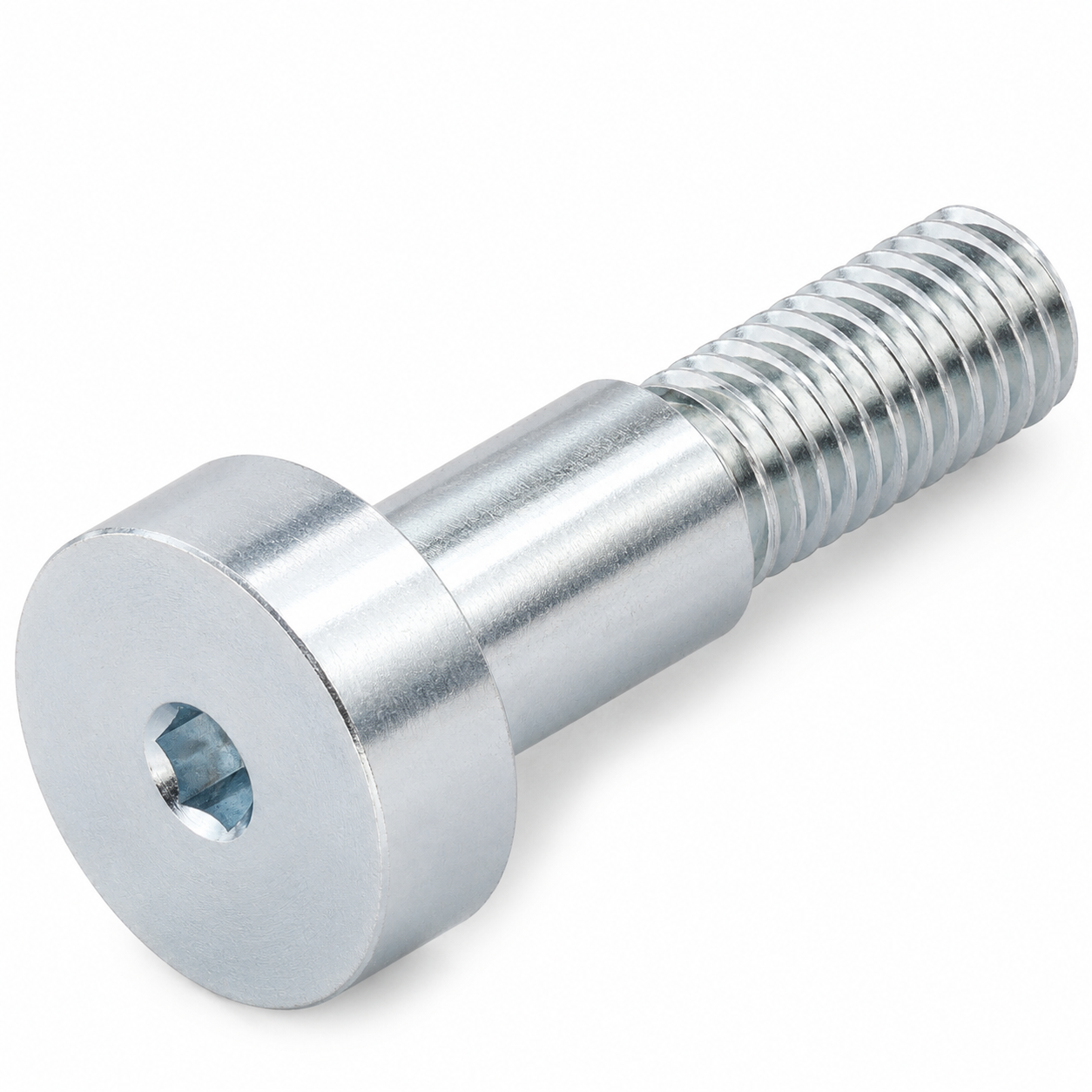
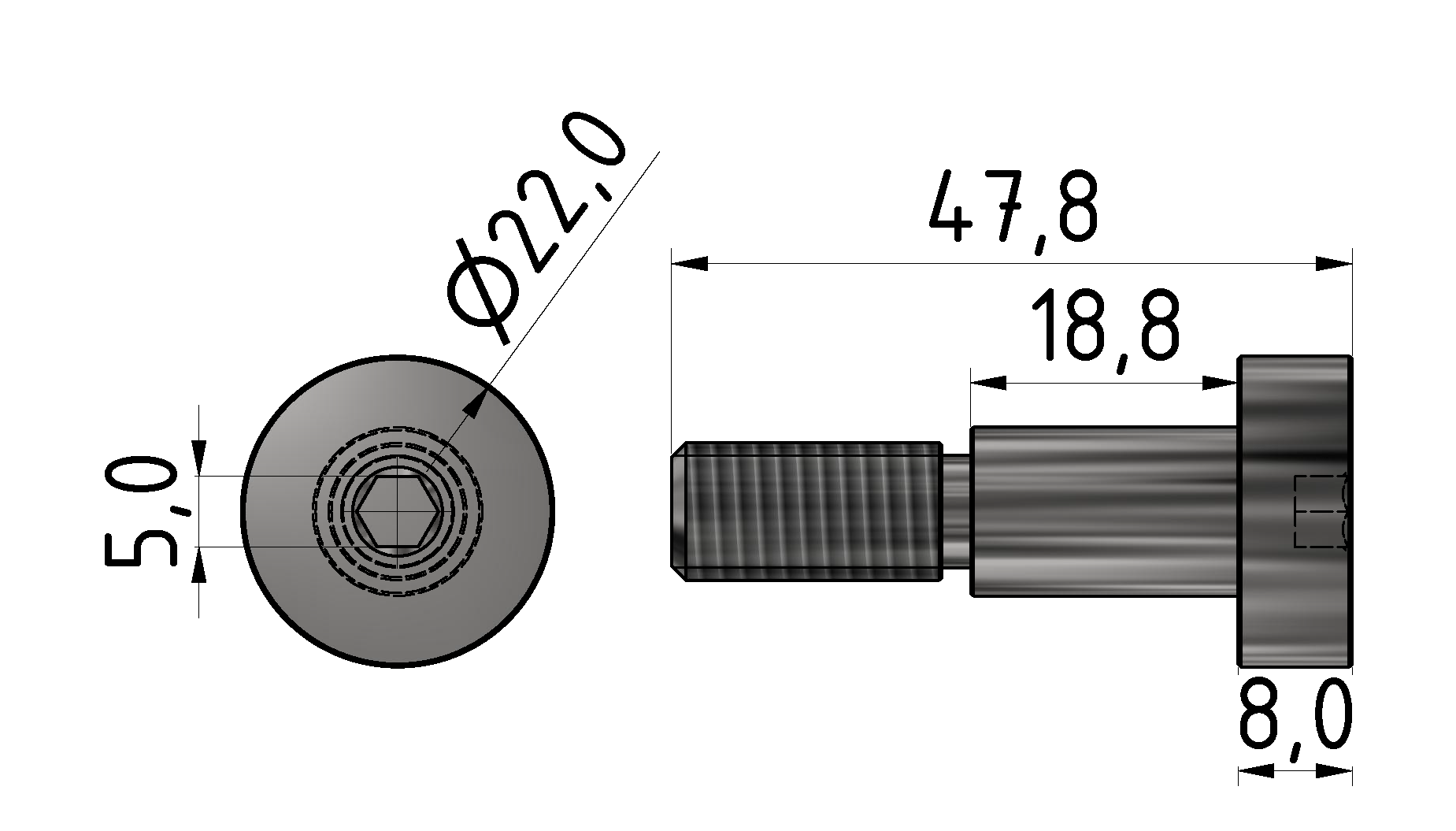
Bolt for fastening the track roller D14 on the centric side.

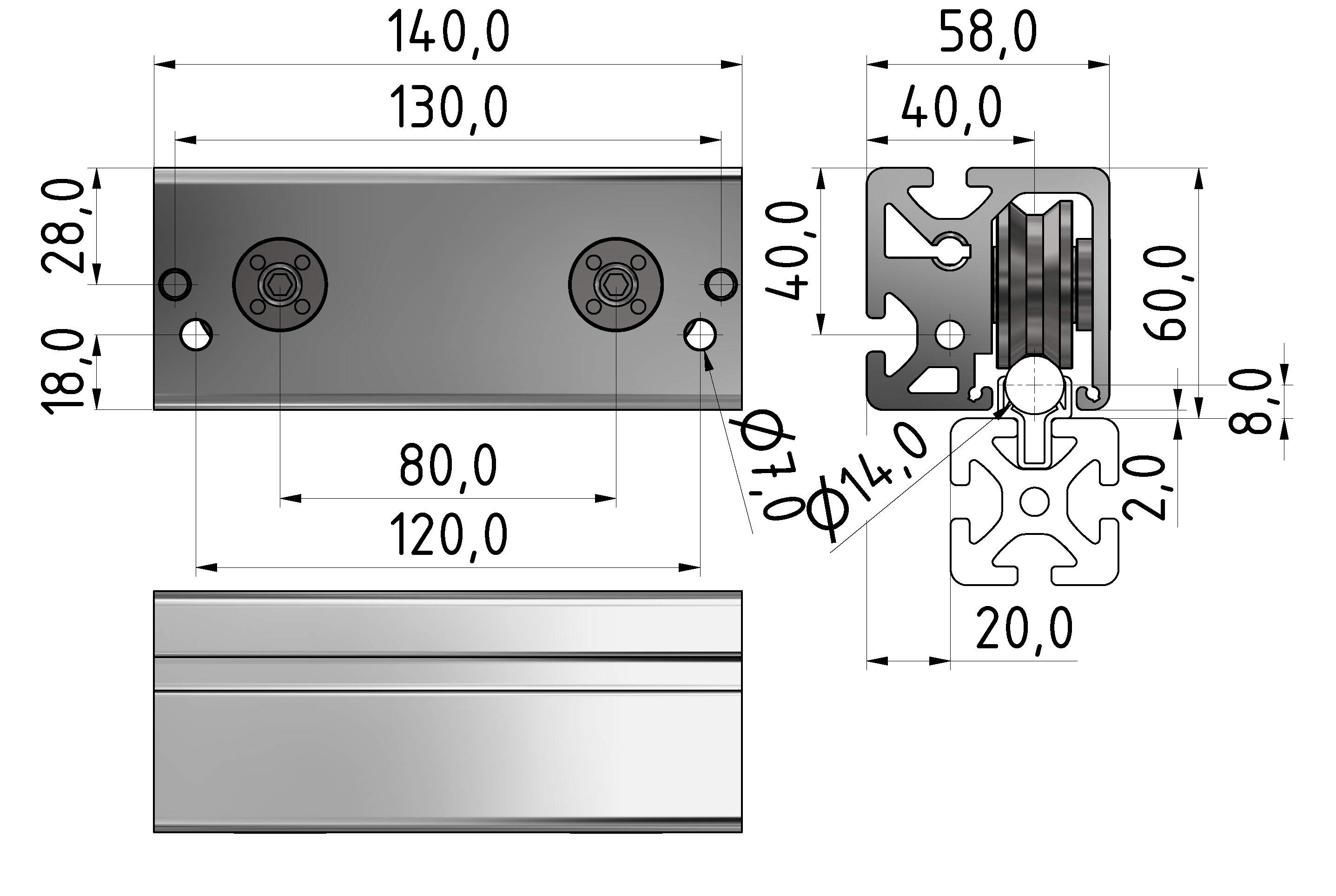
Linear slides are built with storage units. They are used in pairs, 1 each eccentric (this is set free of play) and opposite 1 centric. In order to minimize wear, a wiper lubrication system must be installed on every bearing unit.

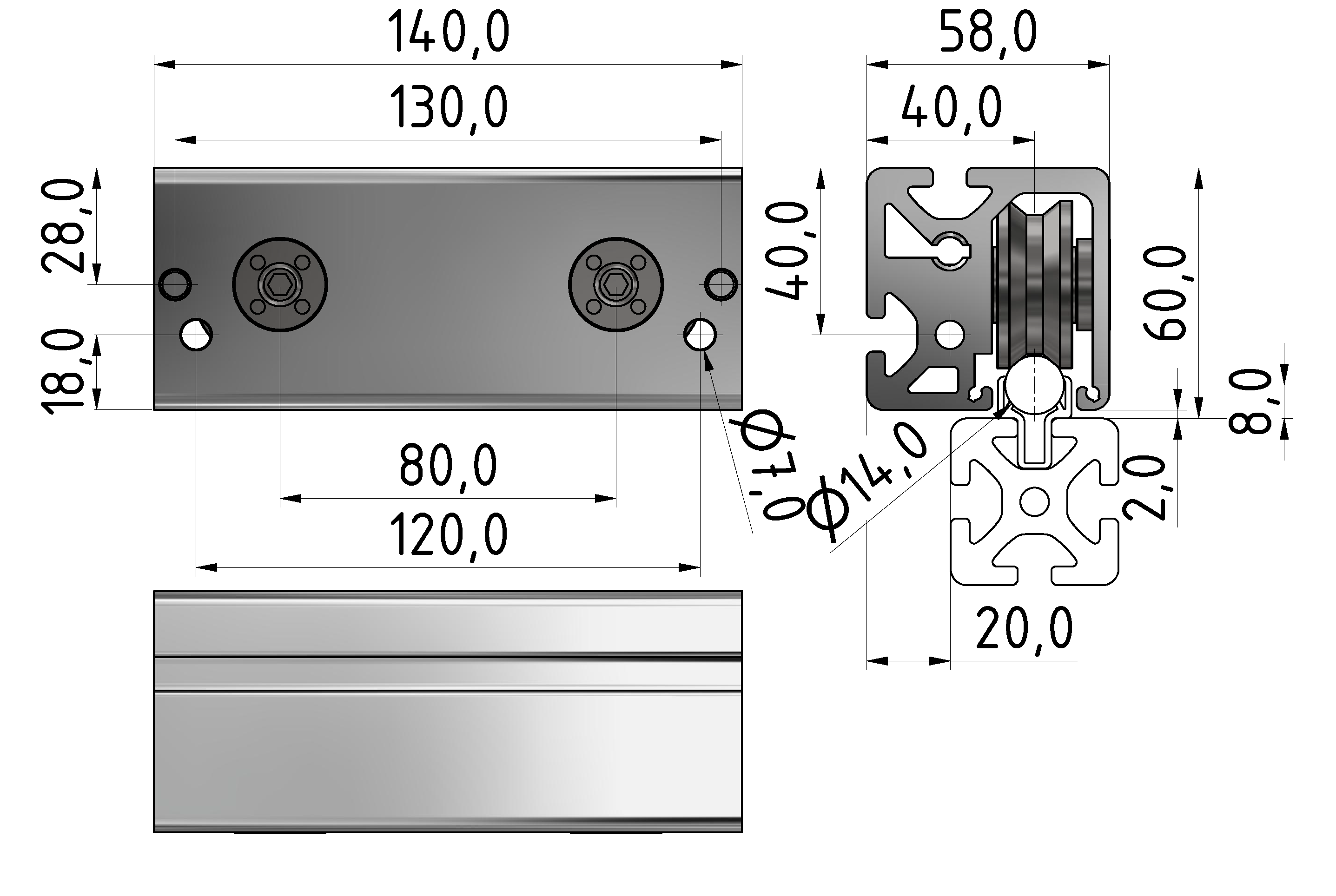
Linear slides are built with storage units. They are used in pairs, 1 each eccentric (this is set free of play) and opposite 1 centric. In order to minimize wear, a wiper lubrication system must be installed on every bearing unit.

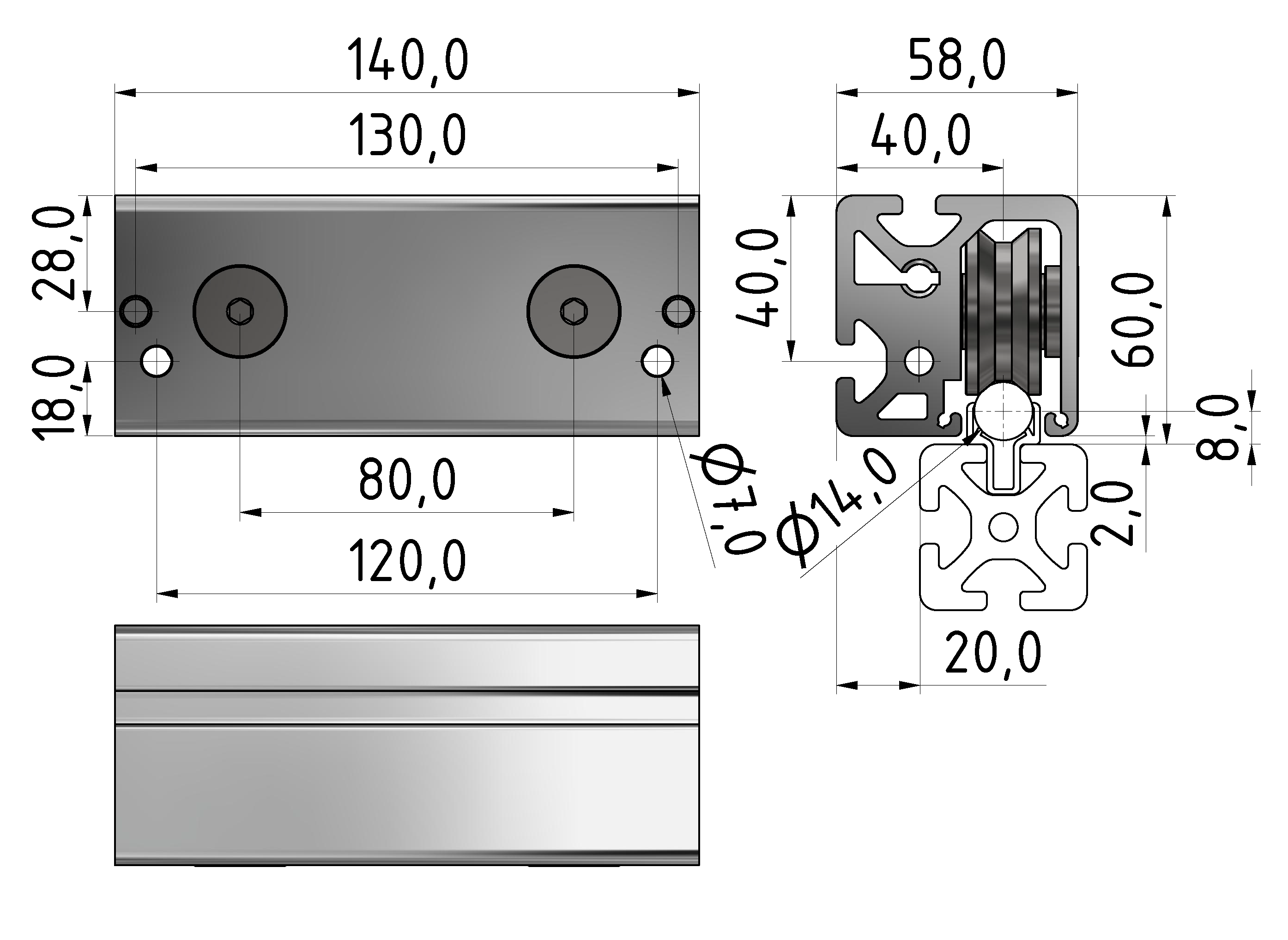
Linear slides are built with storage units. They are used in pairs, 1 each eccentric (this is set free of play) and opposite 1 centric. In order to minimize wear, a wiper lubrication system must be installed on every bearing unit.

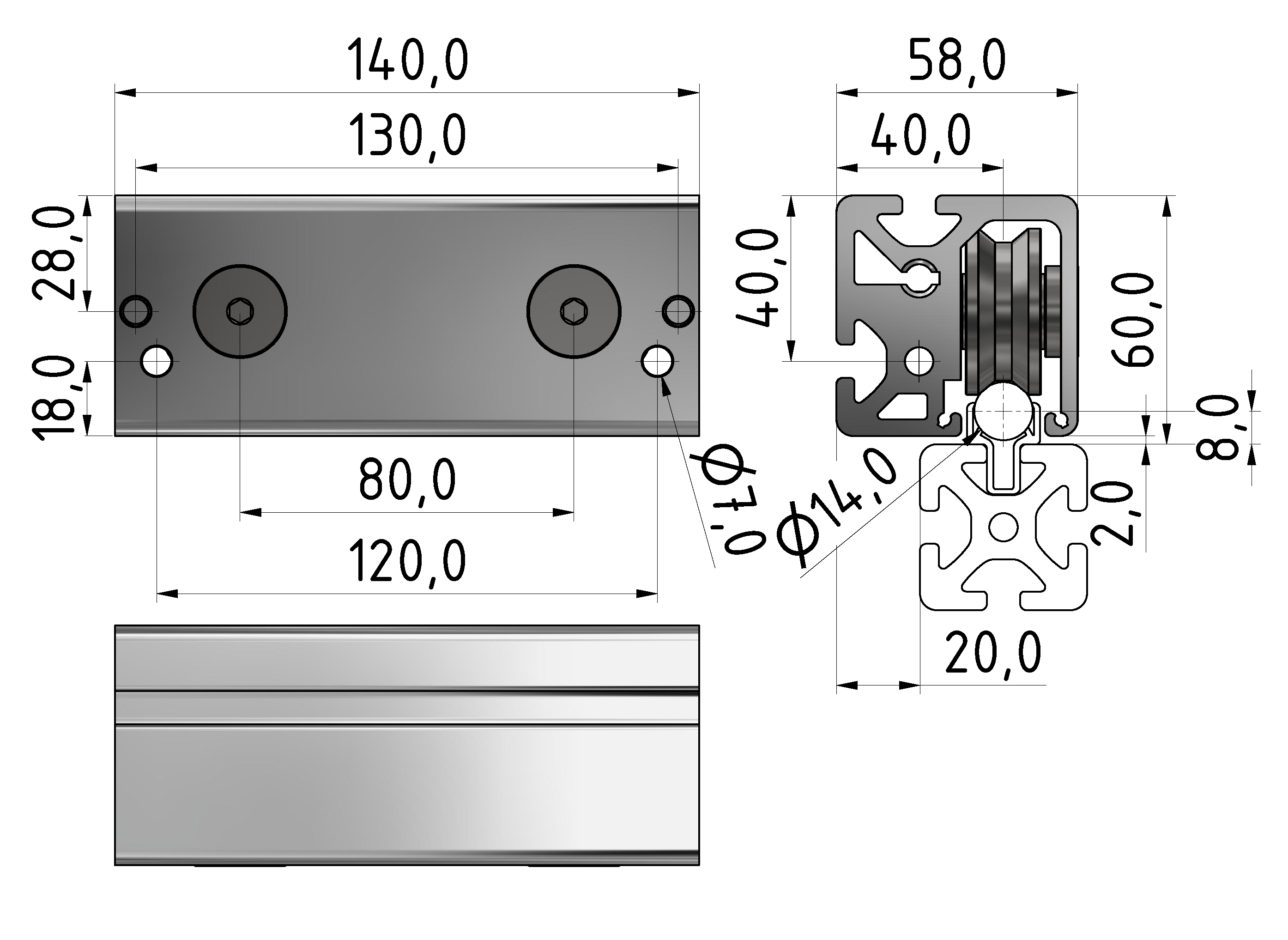
Linear slides are built with storage units. They are used in pairs, 1 each eccentric (this is set free of play) and opposite 1 centric. In order to minimize wear, a wiper lubrication system must be installed on every bearing unit.


To minimise wear, a wiper lubrication system should always be fitted to each bearing unit.


Parabolic springs are used for shock absorption and are available in different sizes.


Parabolic springs are used for shock absorption and are available in different sizes.


Parabolic springs are used for shock absorption and are available in different sizes.


Precision roller for use in the bearing units 8.


The track roller profile is used to create bearing units D14 in suitable length up to 6000mm. Cut to size max. 6000 mmCompatible with item 0.0.426.02


The track roller profile is used to create bearing units D14 in suitable length up to 6000mm. Cut to size max. 6000 mmCompatible with item 0.0.426.02

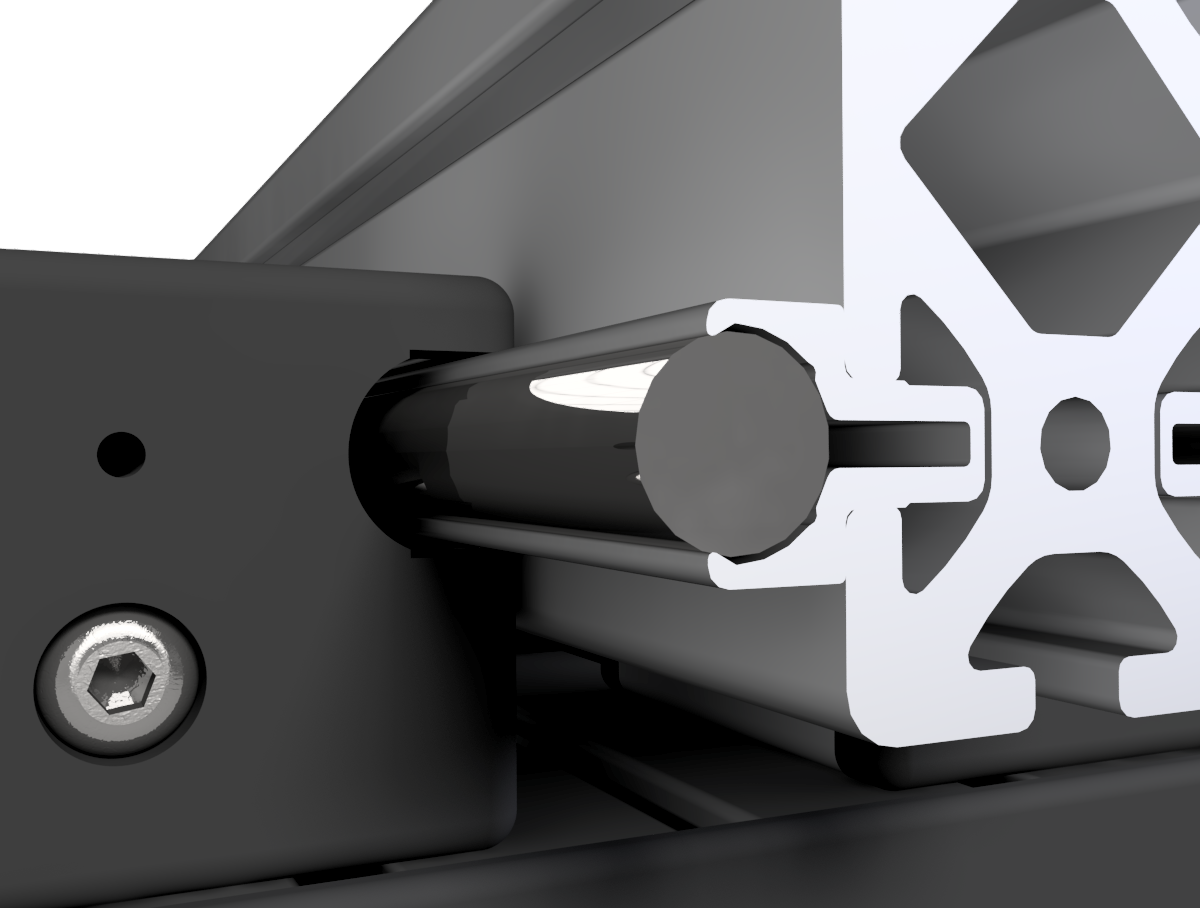
The shaft clamping profile is used to hold the guide shaft d14. The shaft is pressed into the profile groove by pressing in the shaft clamping profile. The shafts are secured by a DIN6325 cylindrical pin.


The shaft clamping profile is used to hold the guide shaft d10. The shaft is pressed into the profile groove by pressing in the shaft clamping profile. The shafts are secured by a DIN6325 cylindrical pin. Compatible with item 0.0.442.03


The shaft clamp profile is used to hold the guide shaft d25. The shaft clamp profile is screwed on with S1397 countersunk screws M6x16 DIN 7991 and NI-1040 slot nuts M6, galvanised-8. The holes for the screw connection are 200 mm apart. Compatible with item 0.0.350.02


For creating highly dynamic linear drives with toothed belt drive.
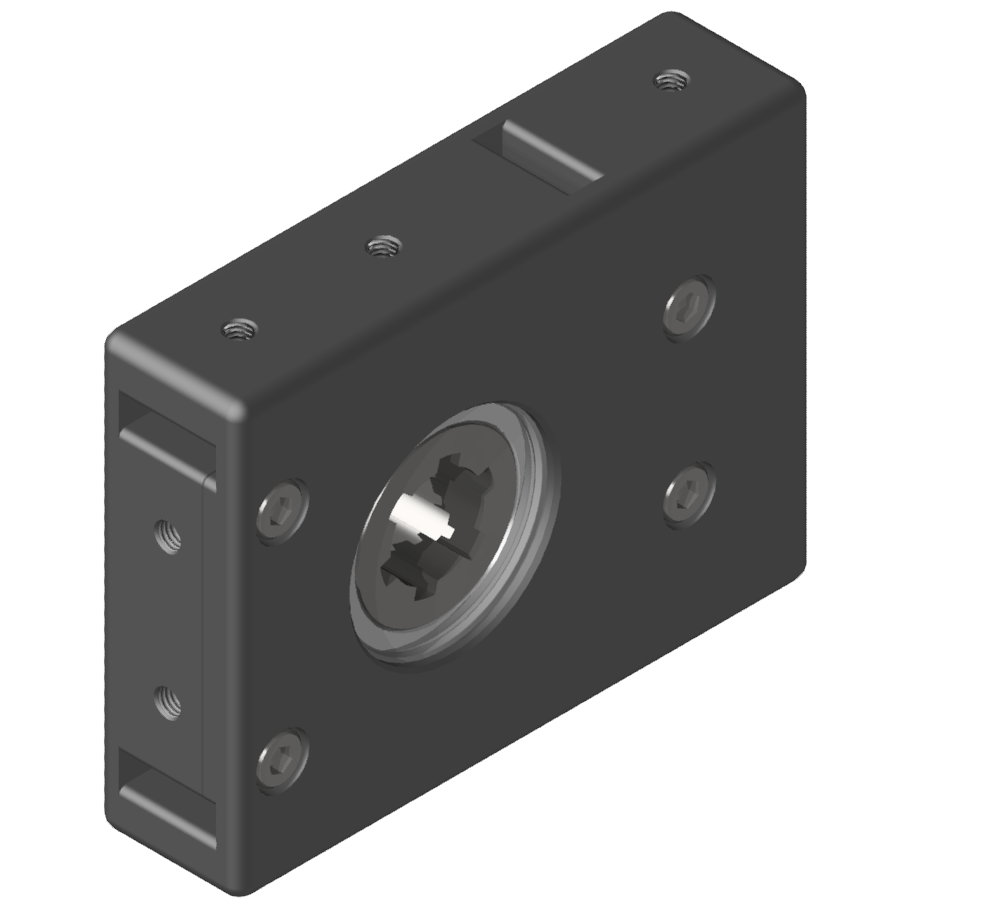
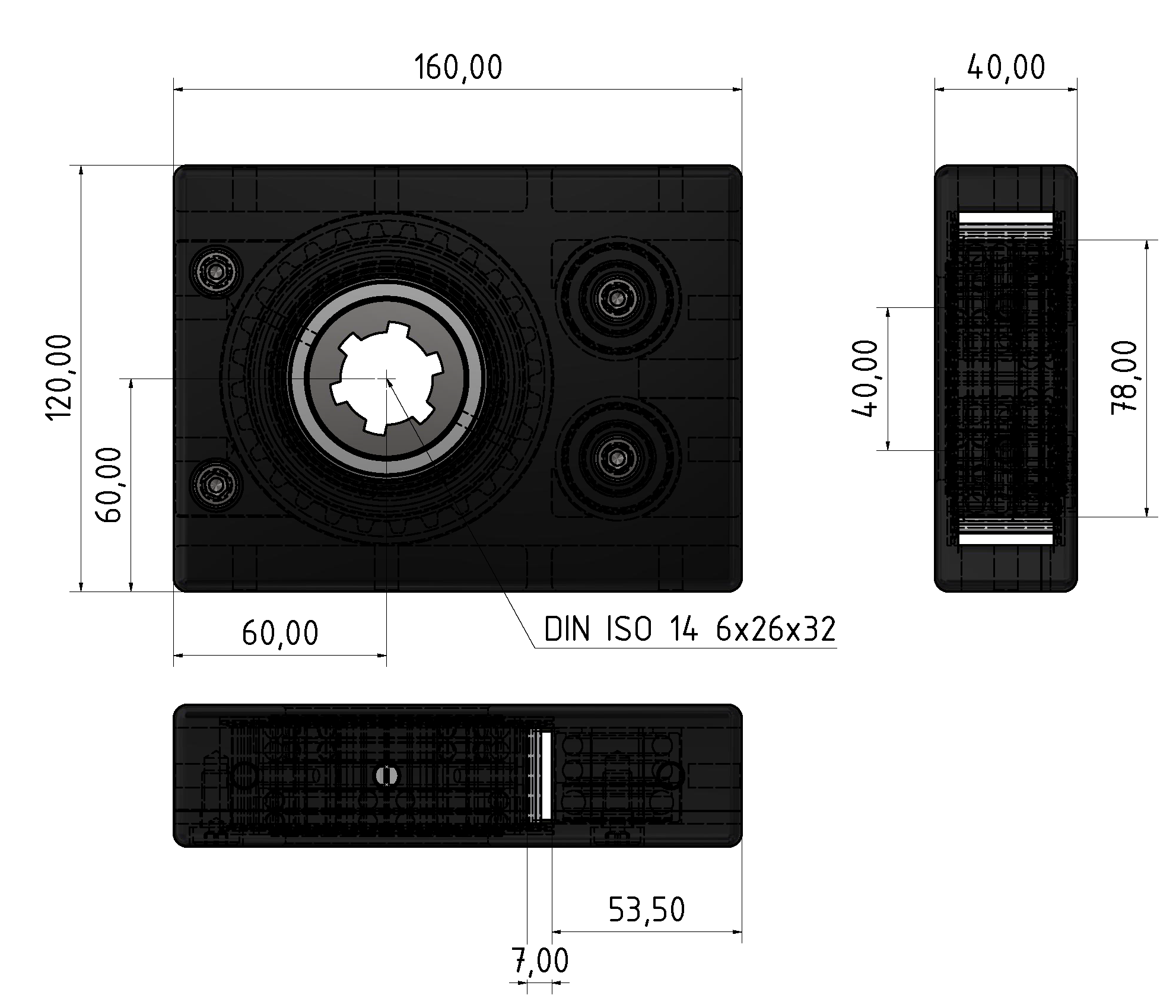
For creating highly dynamic linear drives with toothed belt drive. Compatible with item 0.0.366.07
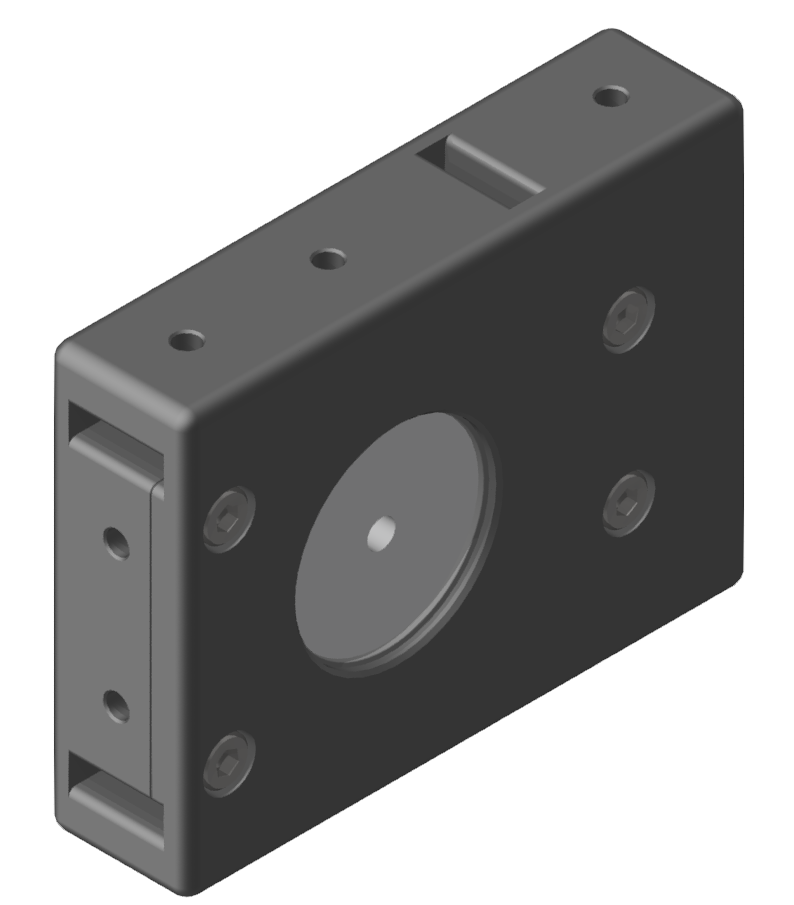
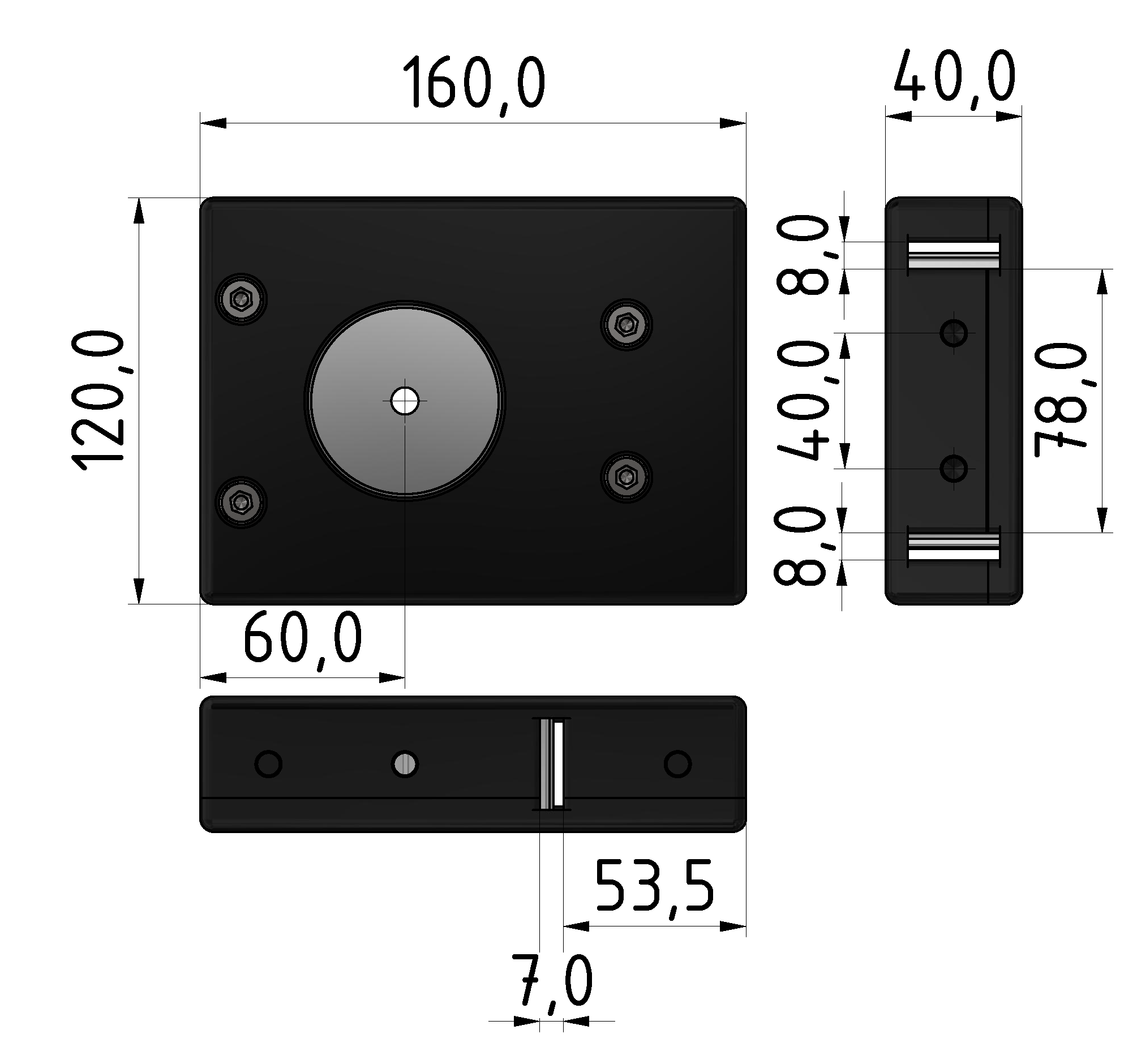
For creating highly dynamic linear drives with toothed belt drive.
Features and advantages of roller guides
- High load capacity: Roller guides can handle heavy loads with ease and are ideal for demanding industrial environments.
- Precise motion control: The use of roller chains ensures smooth and stable movement with minimal fluctuations in displacement resistance.
- Dirt resistance: Compared to ball guides, roller guides are significantly less sensitive to contamination, which makes them particularly suitable for harsh environments.
- Low-noise movement: The roller guides generate very little noise, which contributes to a more pleasant working environment.
- Ease of maintenance: Thanks to the use of roller chains and optimized lubricant retention, roller guides enable long-term maintenance-free operation.
FAQ: Frequently asked questions about roller guides
Here you will find answers to frequently asked questions about our roller guides.
What is the difference between roller guides and ball guides?
Roller guides use larger rolling elements (rollers) and are therefore more resistant to dirt and inaccuracies. Ball guides often offer greater precision, but are more sensitive.
What materials are used for roller guides?
Roller guides typically consist of hardened steel rails and steel rollers. Stainless steel or plastic roller versions are also available for special applications.
How are roller guides lubricated?
Many roller guides have integrated lubricant reservoirs for long-lasting lubrication. External lubrication devices can also be fitted.
Can roller guides compensate for misalignment?
Yes, roller guides can compensate for misalignments in the order of millimeters in terms of both parallelism and flatness.